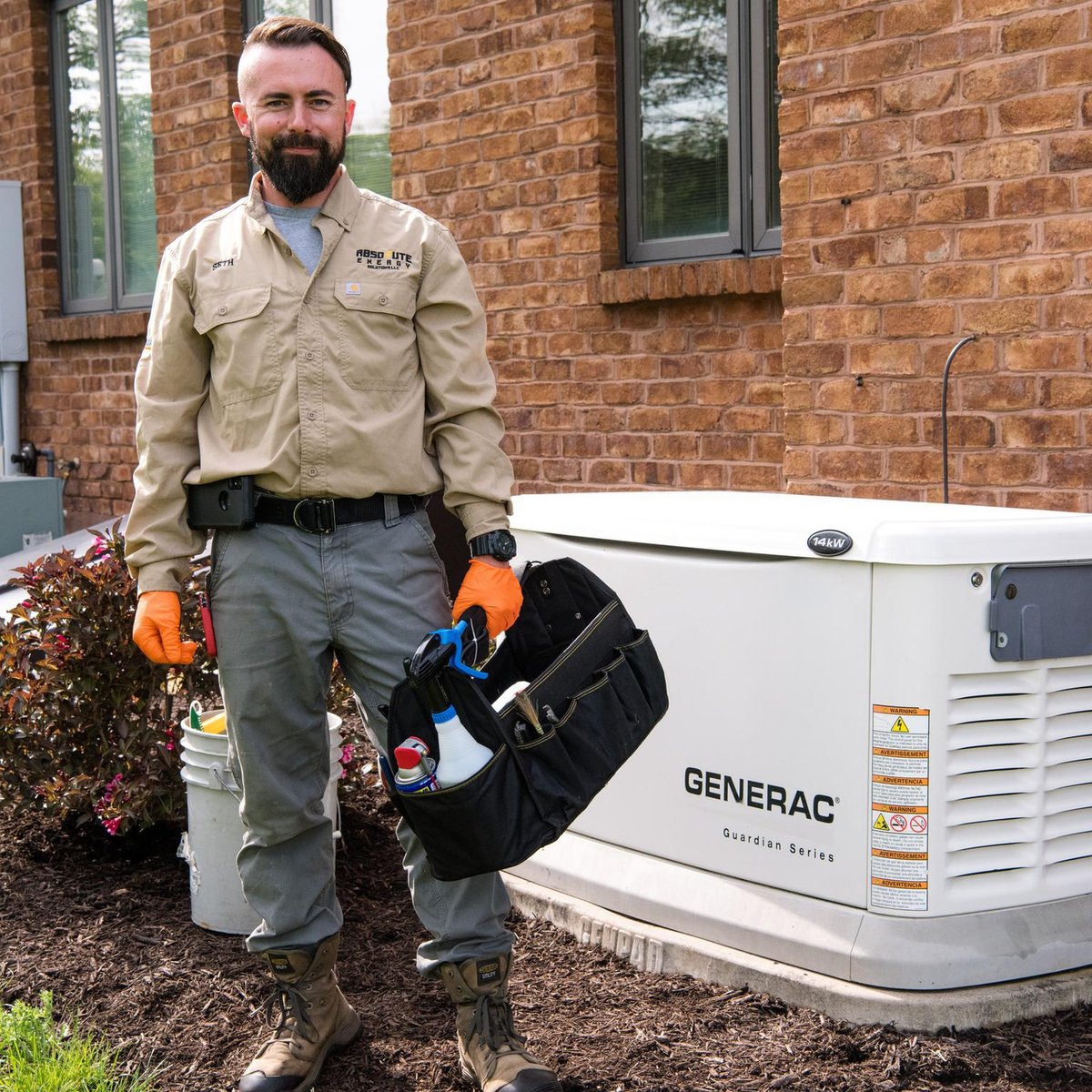
Imagine the lights flicker, then plunge your home into darkness. The hum of your refrigerator stops, your phone charger becomes useless, and the comforting glow of your TV vanishes. In moments like these, your generator isn't just a machine; it's a lifeline. But what happens when that lifeline sputters, refuses to start, or inexplicably dies mid-storm? That's where expert Generator Maintenance & Troubleshooting becomes your superpower.
Knowing how to keep your generator in prime condition and what to do when it misbehaves isn't just about convenience; it's about preparedness, safety, and extending the life of a vital investment. This comprehensive guide will equip you with the knowledge to diagnose common problems, perform essential maintenance, and confidently decide when it's time to call in the professionals.
At a Glance: Your Generator Preparedness Checklist
- Safety First: Always disconnect power, allow cooling, and disable the spark plug/battery before any work.
- Fuel Freshness is Key: Stale fuel is a top culprit. Use stabilizer or drain for long storage.
- Oil Level Matters: Low oil sensors prevent startup. Check it every time.
- Spark Plugs Spark Life: Inspect, clean, gap, or replace annually.
- Clear the Air: Clogged air filters choke engines; clean or replace regularly.
- Listen Closely: Unusual noises (grinding, knocking) often signal mechanical wear.
- Test Monthly: Run your generator for 20-30 minutes under a light load to keep components lubricated.
- When in Doubt, Call a Pro: Complex electrical issues, internal engine damage, or persistent problems warrant expert help.
Why Your Generator Deserves Ongoing TLC
Generators are designed to kick in during emergencies, often under stressful conditions. Whether it's a portable unit for job sites and tailgates, or a standby generator safeguarding your home, their reliability directly impacts your comfort, safety, and productivity. Timely troubleshooting and routine maintenance aren't just about fixing things when they break; they're about preventing breakdowns entirely, ensuring peak performance, and extending the lifespan of your equipment for years to come. Neglecting these crucial steps can lead to frustrating failures when you need power most, costly repairs, and even safety hazards.
Safety Above All Else: Before You Touch a Thing
Before you even think about lifting a wrench or opening a panel, prioritize safety. Generators involve combustible fuels, high voltage, and hot components, making them potentially dangerous if not handled with respect. Follow these critical steps every single time before performing any maintenance or troubleshooting:
- Remove All Connected Loads: Unplug everything from the generator outlets. This prevents damage to your appliances and ensures no residual power is present.
- Turn Off Completely: Use the generator's power switch to shut it down.
- Cool Down: Allow the engine and muffler to cool completely. This can take 30 minutes or more. Hot surfaces cause severe burns.
- Disable Ignition:
- Spark Plug: Disconnect the spark plug cap from the spark plug. This is a non-negotiable step to prevent accidental engine starting.
- Electric Start: For models with electric start, also disconnect the negative battery cable (usually black) from the battery terminal.
- Work in a Ventilated Area: Never operate or service a generator indoors or in confined spaces. Carbon monoxide (CO) is an odorless, colorless, deadly gas. Ensure ample airflow.
- Gear Up: Wear appropriate personal protective equipment (PPE), including safety goggles to protect your eyes from debris, and heavy-duty gloves to shield your hands from cuts, scrapes, and hot surfaces.
- Fire Extinguisher Ready: Keep a Class B or ABC fire extinguisher nearby, especially when working with fuel or electrical components.
- Stable Surface: Ensure your generator is on a level, stable surface to prevent tipping or movement during work.
Ignoring these safety precautions can lead to serious injury, fire, or even death. Always prioritize your well-being.
Decoding Your Generator's Groans: Common Problems Unpacked
Generators, like any machine, can develop issues. Understanding the root causes behind common failures is the first step in effective Generator Maintenance & Troubleshooting. Most problems fall into a few key categories:
The Fuel System Fiasco
This is often the number one culprit for generators that won't start or run poorly.
- Contaminated or Stale Fuel: Gasoline degrades quickly, especially when sitting for months. Ethanol-blended fuels are particularly problematic, attracting moisture and corroding carburetor components. Stale fuel loses its volatility, making ignition difficult.
- Insufficient Fuel: A simple oversight, but easily missed.
- Clogged Fuel Lines or Filters: Debris, rust, or degraded fuel can create blockages, starving the engine of fuel.
- Clogged Carburetor: The tiny passages in a carburetor are easily obstructed by fuel varnish or debris, leading to rough running, surging, or no-start conditions.
Electrical System Enigmas
These issues prevent the spark needed for combustion or the power output itself.
- Battery Degradation (Electric Start): A weak or dead 12-volt battery won't have enough juice to crank the engine. Sulfation can reduce battery capacity over time.
- Faulty Spark Plugs: Fouled, worn, or incorrectly gapped spark plugs won't produce a strong, consistent spark.
- Poor Electrical Connections: Loose or corroded terminals on the battery, spark plug wire, or other wiring can interrupt the electrical flow.
- Defective Ignition Coils: A failing ignition coil won't generate the high voltage needed for the spark plug.
- Blown Fuses: Some generators have fuses protecting certain circuits.
- No Power Output (Engine Runs Fine): This is a specific electrical issue often related to the alternator. Common causes include:
- Tripped Circuit Breakers: Overloads can trip the breakers on the generator's control panel.
- Loss of Residual Magnetism: The rotor needs a tiny bit of magnetism to start producing power. This can be lost if the generator sits for a long time or experiences a hard shutdown.
- Alternator Assembly Failure: Damaged stator, rotor windings, or a faulty Automatic Voltage Regulator (AVR) can prevent power generation.
Mechanical Wear and Tear
These are often accompanied by telltale sounds.
- Worn Brushes: In brush-style alternators, carbon brushes can wear down, leading to intermittent or no power output.
- Motor Bearing Problems: Worn bearings can cause excessive friction and noise, potentially leading to overheating or engine seizure.
- Worn Connecting Rod Bearings: A very serious internal engine issue often indicated by distinct metallic knocking or grinding noises.
- Clogged Air Filter: Restricts airflow, making the engine "gasp" for air, leading to poor performance, reduced power, and eventually overheating.
Environmental & Load Stressors
External factors can significantly impact performance.
- Lack of Proper Ventilation/Cooling: Overheating can occur if the generator is run in an enclosed space or if its cooling fins/vents are blocked.
- Excessive Load: Trying to power too many devices beyond the generator's rated capacity will trip breakers, strain the engine, and potentially damage components.
- Dusty/Humid Conditions: Operating without adequate protection can lead to clogged filters, corrosion, and electrical issues.
- Low Oil Level: Modern generators are equipped with low-oil sensors that prevent the engine from starting or running if the oil level is too low, protecting the engine from severe damage.
The Art of Diagnosis: A Step-by-Step Troubleshooting Guide
When your generator acts up, don't panic. Approach the problem systematically using this troubleshooting process.
1. Visual First Aid: The Quick Scan
Before diving into complex checks, start with the obvious.
- Fuel Gauge: Is there enough fuel? Is the fuel fresh (less than 30 days old for untreated gas)?
- Oil Dipstick: Check the oil level. A low-oil sensor will prevent startup.
- Battery Condition (Electric Start): Look for corrosion on terminals. Ensure cables are secure.
- Wiring: Any loose wires, frayed insulation, or obvious disconnections?
- Air Filter: Is it visibly clogged with dirt or debris?
- Physical Damage: Any dents, leaks, or unusual wear?
2. The Fuel Line Lifeline: Ensuring Proper Flow
Fuel system issues are so common, they warrant a deeper look.
- Confirm Fuel Valve Open: Sounds simple, but it's a frequent oversight. Ensure the fuel valve (petcock) is in the "On" or "Open" position.
- Gas Cap Vent: Ensure the vent on the fuel cap isn't blocked. A vacuum can form, starving the engine.
- Fresh Fuel First: If your fuel is old (especially if it's been sitting for more than a month without stabilizer), drain it and replace it with fresh, non-ethanol gasoline.
- Fuel Filter Inspection: Locate the inline fuel filter (if present) and inspect it for discoloration or debris. Replace if clogged.
- Carburetor Clean-Up: If the engine cranks but doesn't fire, or runs rough, the carburetor is likely clogged.
- You can try a high-quality fuel stabilizer/carburetor cleaner by adding it to fresh fuel and running the generator for a bit (if it starts) or letting it sit to dissolve minor clogs.
- For significant clogs, the carburetor may need to be disassembled and cleaned with carburetor cleaner spray, or even replaced. This is often a job for a professional unless you're comfortable with small engine mechanics.
3. Oil: The Engine's Lifeblood
- Verify Oil Level: Use the dipstick. If it's below the "add" mark, top it off. The low-oil sensor is a critical safety feature that prevents the engine from starting or running if the oil level is insufficient. Make sure the generator is on a level surface when checking.
4. Sparking Life: Electrical System Basics
- Spark Plug Check:
- Disconnect the spark plug cap.
- Use a spark plug wrench to remove the plug.
- Inspect: Look at the electrode tip. Is it oily, carbon-fouled, or excessively worn?
- Clean/Gap: If dirty, clean with a wire brush. Check the gap with a feeler gauge and adjust to manufacturer specifications.
- Test: Reconnect the spark plug cap to the plug (while the plug is out of the engine and grounded against the engine block — with gloves and safety glasses!) and crank the engine. A strong, blue spark indicates a healthy ignition system. If no spark or a weak yellow spark, replace the plug or investigate further.
- Replace: If in doubt or if it's been a year/100 hours, replace it.
- Battery Voltage (Electric Start): Use a multimeter to check the 12-volt battery voltage. It should read around 12.6V or higher. If significantly lower, the battery needs charging.
- Fuses: Check for any blown fuses, typically located near the battery or on the control panel. Replace with a fuse of the exact same amperage.
- Wiring Connections: Gently tug on all visible wires to ensure they are secure and free of corrosion.
5. Breathing Easy: Air & Cooling System
- Air Filter: Clean or replace the air filter. A clogged filter restricts airflow, leading to poor combustion and reduced power.
- Cooling Vents: Ensure all air vents and cooling fins are free of dust, debris, and obstructions. Overheating can lead to shutdowns.
- Radiator/Coolant (Liquid-Cooled Models): Check coolant levels and inspect cooling fans for proper operation.
6. Load Assessment: Is Your Generator Overwhelmed?
- Disconnect Non-Essential Devices: If the engine runs but power output is low or cuts out, try disconnecting all but one or two critical devices.
- Measure Output Power: If you have a multimeter or a load tester, measure the AC voltage output. If it's significantly low (e.g., below 100V for a 120V outlet), you have a power generation issue.
7. Digital Diagnostics: Error Code Consultation
- User Manual is Gold: For modern generators with digital displays, note any error codes. Consult your user manual immediately for diagnostic guidance associated with specific codes.
8. Tripped Up: Circuit Breaker Check
- Reset Breakers: If the engine is running but there's no power from the outlets, check the control panel for tripped circuit breakers. They often look like small switches that have flipped to an "Off" or central position. Manually reset them. If they immediately trip again with a normal load, you might have a short circuit in a device, or a faulty breaker.
Keeping the Power Flowing: Essential Maintenance & Quick Fixes
Proactive maintenance is the cornerstone of generator reliability. Many common issues can be prevented or quickly resolved with these simple steps.
Fuel System Zen
- Use Fresh, Stabilized Fuel: Always use fresh gasoline, preferably non-ethanol for small engines, as ethanol can degrade plastic and rubber components over time.
- Fuel Stabilizer: If you're storing fuel or plan for your generator to be idle for more than 30 days, add a high-quality fuel stabilizer. Run the generator for 5-10 minutes after adding the stabilizer to ensure it circulates throughout the fuel system.
- Drain for Long-Term Storage: For storage exceeding 2-3 months, it's best to drain the fuel tank completely and run the carburetor dry. This prevents stale fuel issues and gumming.
- Carburetor Cleaner: Regularly using a fuel system cleaner designed for small engines can help prevent and dissolve minor clogs.
Battery Brilliance (Electric Start)
- Periodic Charging: Lead-acid batteries self-discharge. Use a trickle charger or maintainer to keep them topped off, especially during periods of inactivity. This prevents sulfation, which can permanently reduce battery capacity.
- Terminal Cleaning: Inspect battery terminals periodically for corrosion (a fuzzy blue/white buildup). Clean with a wire brush and a baking soda/water solution. Apply dielectric grease after cleaning to prevent future corrosion.
- Slow Charge Discharged Batteries: If a 12-volt battery is deeply discharged, a slow, low-amperage charge is often more effective than a fast charge for restoring its capacity and prolonging its life.
Spark Plug Savvy
- Annual Replacement: Replace spark plugs annually or after every 100 hours of running time, whichever comes first. This is a cheap part that has a huge impact on performance.
- Correct Gapping: Always ensure the new spark plug is gapped correctly to the manufacturer's specification using a feeler gauge.
Cooling System Comfort
- Air Filter Replacement: Replace the air filter at recommended intervals, or more frequently if operating in dusty environments. A clean air filter ensures proper combustion and prevents premature engine wear.
- Coolant Levels (Liquid-Cooled): Monitor coolant levels and top off with the appropriate antifreeze/coolant mixture as needed.
No AC Power, Engine Runs? Field Flashing & Beyond
This is a common and often fixable problem where the engine runs but produces no electrical output.
- Field Flashing: If the issue is a loss of residual magnetism in the rotor (often after long storage or a sudden shutdown), you can "field flash" it. This involves briefly applying a small direct current (from a 12V battery) to the exciter windings to restore the residual magnetism. This is a more advanced technique and requires following specific instructions for your generator model to avoid damage. Consult your manual or seek a professional if unsure.
- Faulty Circuit Breaker: If a circuit breaker repeatedly trips even with a normal or light load, it might be faulty and needs replacement. Always replace it with one matching the original amperage rating.
- Alternator/AVR: If field flashing doesn't work, and circuit breakers are fine, the problem likely lies in the alternator assembly itself (e.g., damaged stator, rotor, or the Automatic Voltage Regulator (AVR)). These components are complex and usually require professional diagnosis and repair.
Beyond Basic Care: Nurturing Your Generator for the Long Haul
Investing a little time in comprehensive care pays off exponentially in prolonged generator life and reliable service.
- Follow Manufacturer Guidelines: Adhere strictly to the maintenance schedule outlined in your generator's user manual. It's tailored to your specific model's needs.
- Respect Capacity Limits: Never overload your generator. Operating it consistently beyond its rated capacity strains the engine, overheats components, and significantly shortens its lifespan. If you frequently max out your unit, consider a higher-capacity model like those you can Explore Lowes power generators for a better fit.
- Store Smart: Keep your generator in a clean, dry environment, protected from extreme temperatures, dust, and humidity. This prevents rust, corrosion, and protects electrical components.
- Run Monthly: Start your generator monthly and let it run for 20-30 minutes under a light load (e.g., a few lights or a small fan). This keeps engine parts lubricated, circulates fuel, and recharges the battery (for electric start models).
- Keep Records: Maintain a logbook of maintenance dates, oil changes, spark plug replacements, and any repairs. This helps you track service intervals, anticipate upcoming tasks, and provides valuable history for technicians.
When It's Time for a Pro: Recognizing Your Limits
While many Generator Maintenance & Troubleshooting tasks are DIY-friendly, some issues demand the expertise and specialized tools of a professional technician. Knowing when to call for help can save you from costly damage, frustration, and potential safety risks.
Seek expert help for:
- Complex Electrical System Failures: Issues like a faulty alternator (stator or rotor damage), Automatic Voltage Regulator (AVR) problems, or intricate wiring diagnostics are best left to those with specialized electrical knowledge and equipment. If your engine runs but consistently fails to produce any electrical output even after checking circuit breakers and attempting a field flash, it's likely an alternator assembly failure.
- Engine Internal Damage: Unusual metallic noises (grinding, knocking, squealing) often indicate serious internal mechanical failures such as worn connecting rod bearings, piston issues, or valve problems. Attempting these repairs without proper training and tools can lead to further, irreparable damage.
- Persistent Overheating: If your generator frequently overheats despite clean air filters, clear vents, and appropriate load, there's a deeper cooling system or engine issue that needs professional diagnosis.
- Control Panel Glitches & Software Errors: Modern generators, especially standby units, can have sophisticated control panels with software-driven diagnostics. Glitches or persistent error codes that aren't resolved by basic resets often require specialized diagnostic tools.
- Visible Fuel or Oil Leaks: Any leaks of fuel or oil pose significant fire hazards and environmental risks. A professional can identify the source of the leak and ensure it's properly sealed.
- Repetitive Failures: If you're constantly troubleshooting the same problem, or basic fixes aren't holding, a professional can identify the underlying systemic issue.
Attempting repairs beyond your skill level can lead to more expensive fixes, void warranties, or create dangerous operating conditions. A professional service ensures accurate diagnostics, proper replacement of worn components with genuine parts, and adherence to safety standards.
Your Power Security, Sustained
Your generator is more than just a convenience; it's an assurance of continuity when the grid fails. By embracing proactive Generator Maintenance & Troubleshooting, you're not just preventing breakdowns, you're investing in peace of mind. Regular checks, timely tune-ups, and a clear understanding of common issues empower you to keep your power on, no matter what challenges arise. Stay safe, stay prepared, and keep those lights shining bright.