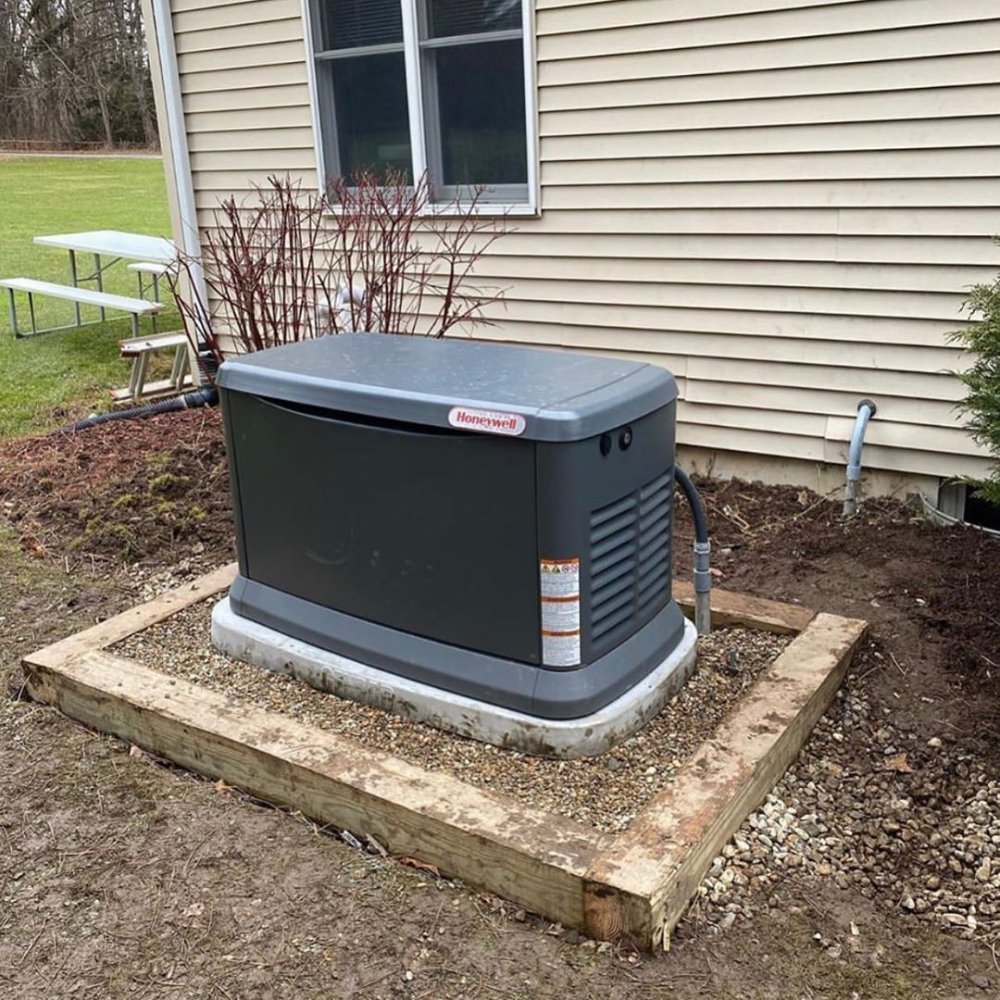
The hum of a generator can be a symphony of relief when the power goes out, but getting to that point requires more than just unboxing a new unit. Proper generator installation & setup is a critical, often complex process that directly impacts your home's safety, electrical integrity, and the generator's lifespan. Skip the crucial steps or cut corners, and you risk everything from inconvenient outages to dangerous electrical hazards and carbon monoxide poisoning.
This comprehensive guide is designed to empower you with the knowledge needed to make informed decisions, whether you're planning a full standby system or a robust portable setup. We'll demystify the process, highlight key safety measures, and help you navigate the journey to reliable home power.
At a Glance: Key Takeaways for Safe Generator Setup
- DIY Limits: Portable generators that plug directly into appliances are often homeowner-friendly. However, any setup involving direct wiring into your main electrical panel, connection to a permanent fuel source, or installation of a transfer switch requires professional expertise and permits.
- Safety First: Carbon monoxide (CO) is a silent killer. Always operate generators outdoors, far from windows and doors. Install CO detectors inside your home.
- Location, Location, Location: Choose a stable, level, well-ventilated spot at least 5 feet from any openings to your home.
- The Transfer Switch: Essential for safely isolating your home from the utility grid when the generator runs, preventing dangerous backfeeding.
- Professional Is Best for Standby: Whole-home standby generators demand licensed electricians and certified installers for site assessment, permitting, electrical, and fuel line work.
- Cost & Value: Standby generator installation is a significant investment (often $8,500-$23,000+), but it delivers unmatched peace of mind and home protection.
- Ongoing Care: Regular maintenance, fuel management, and monthly exercise runs are crucial for reliability.
Why Getting It Right Matters: More Than Just Power
Imagine the lights flickering, then plunging your home into darkness. A generator stands ready, but its benefits are only as good as its installation. When you're dealing with high-voltage electricity, combustible fuels, and your family's safety, "good enough" simply isn't an option.
The Hidden Dangers of DIY Gone Wrong
Improper generator installation isn't just about inconvenience; it carries serious risks:
- Carbon Monoxide Poisoning: The most immediate and deadly threat. Generators produce CO, an odorless, colorless gas. Operating a generator in an enclosed space, even a garage with the door open, can be lethal. Poor outdoor placement near windows or vents can also draw CO indoors.
- Electrical Shock & Fire: Faulty wiring, inadequate grounding, or incorrect connection to your home's electrical system can lead to electrocution, appliance damage, circuit overloads, and electrical fires.
- Backfeeding the Grid: Connecting a generator directly to your home's main panel without a proper transfer switch can send dangerous voltage back into utility lines. This is incredibly hazardous for utility workers and can damage neighborhood electrical infrastructure. It's also illegal.
- Fuel Leaks & Explosions: Incorrect fuel line installation, improper tank storage, or lack of proper shut-off valves can lead to leaks, fire, or explosion hazards.
- Shortened Lifespan & Voided Warranties: Generators are built to last, but improper setup and lack of protection from the elements can significantly shorten their life. Furthermore, manufacturers often void warranties if installation isn't performed by a certified professional or doesn't comply with local codes.
Code Compliance and Warranty: Your Safety Net
Every aspect of generator installation is governed by strict regulations, primarily the National Electrical Code (NEC) and local building codes. These codes aren't just bureaucratic hurdles; they are meticulously developed standards designed to ensure safety. A professional installer ensures your system adheres to these critical requirements, which is vital for passing inspections and validating insurance claims should an issue arise.
Moreover, reputable generator manufacturers stipulate that professional installation is required to maintain your product warranty. This protects your investment and ensures you're covered if a mechanical issue arises that isn't due to installation error.
DIY vs. Pro: Knowing Your Limits
Deciding whether to tackle generator setup yourself or call in the experts is the first crucial step. The rule of thumb is simple: if it involves your home's main electrical panel or permanent fuel lines, call a pro.
When You Can DIY: Portable Power (Often)
Many homeowners can safely set up a portable generator for direct appliance use or, with some precautions, plug into a pre-installed manual transfer switch inlet.
- Direct Appliance Use: This is the simplest method. You place the generator outdoors, run heavy-duty extension cords directly from the generator to individual appliances (like a refrigerator or a few lamps), and ensure all cords are rated for outdoor use and the appliance's power draw. No electrical panel interaction required.
- Manual Transfer Switch Inlet: If you've already had a manual transfer switch and an exterior power inlet box professionally installed, connecting a portable generator to this inlet is generally within a capable homeowner's skill set. You simply plug the generator into the inlet box using a specially designed generator cord, then flip the appropriate switches on your transfer panel to power selected circuits. However, the initial installation of the transfer switch and inlet box absolutely requires a licensed electrician.
For an array of options that meet various power needs, you might want to explore Lowes power generators. Many offer user-friendly features for portable use, but remember the "pro" rule for integrating them more deeply into your home's electrical system.
When You Must Call a Pro: Standby and Advanced Portable Setups
Any project involving direct connection to your home's main electrical panel, modification of existing fuel lines, installation of an automatic transfer switch, or requiring electrical and fuel permits absolutely demands professional expertise. This includes:
- Whole-Home Standby Generators: These powerful units are permanently installed, connected directly to your home's electrical system and a permanent fuel source (natural gas or propane). They feature automatic transfer switches that sense power outages and start the generator, seamlessly restoring power without any action from you. This is 100% a job for licensed professionals.
- Permanent Portable Generator Installations: Even if you're using a portable generator, if you want it hardwired to a manual transfer switch that connects to your main electrical panel, a professional is required to install the transfer switch and all associated wiring.
- Fuel Line Modifications: Connecting to natural gas lines requires a licensed plumber or gas technician. Installing a large propane tank and running lines also requires specific expertise and adherence to safety codes.
The bottom line: When in doubt, call a professional. The cost of a professional installation is an investment in safety, compliance, and peace of mind.
The Professional Standby Generator Installation Journey: What to Expect
Installing a whole-home standby generator is a multi-step process best handled by certified experts. Here's what the journey typically looks like:
Phase 1: Planning & Permits (The Groundwork)
Before any digging or wiring, a thorough assessment and official approvals are necessary.
- Site Assessment: Fuel, Power Needs, & Placement: A qualified installer will visit your home to evaluate several critical factors:
- Electrical Capacity: They'll assess your home's main electrical panel to determine the best way to integrate the generator and size it appropriately for your needs (whole home vs. essential circuits).
- Fuel Options: They'll discuss the most viable fuel type for your property – natural gas, propane, or diesel – considering availability, cost, and local regulations.
- Ideal Location: They'll identify the best spot for the generator, keeping in mind safety clearances, noise, fuel line access, and maintenance.
- Navigating Permits: The Official Green Light: Professional installers handle all the necessary paperwork. This typically includes:
- Electrical Permits: For connecting to your home's wiring.
- Fuel Permits: For natural gas or propane line connections.
- Zoning & HOA Permits: To ensure the generator meets local land use regulations and any homeowner association rules regarding placement, noise, or appearance. Obtaining these permits is crucial for code compliance and avoids future headaches.
Phase 2: Site Preparation (Building the Foundation)
Once permits are secured, it's time to prepare the physical space for your generator.
- Selecting the Perfect Spot: Safety First: The chosen location must be:
- Stable & Level: Generators are heavy. They need a solid, flat surface.
- Well-Ventilated: Crucial for exhaust and cooling.
- Clearance: Maintain at least 5 feet clearance from doors, windows, and vents to prevent carbon monoxide entry into the home. Also, allow 18 inches from walls or other obstructions for maintenance access and proper airflow.
- Drainage: The area should allow for proper water drainage away from the unit to prevent pooling and corrosion.
- Prepping the Pad: Level, Stable, and Dry:
- The ground is leveled and compacted.
- A concrete pad or a compacted gravel base is installed to provide a stable, durable foundation for the generator. This step ensures the unit remains level and protected from ground moisture.
Phase 3: The Core Connections (Electrical & Fuel)
This is where the generator becomes a functional part of your home's infrastructure.
- The Electrical Heart: Your Transfer Switch:
- A transfer switch is installed, typically next to your main electrical panel. This device is the critical safety component, acting as a gatekeeper to prevent utility power and generator power from mixing.
- Automatic Transfer Switch (ATS): Detects power loss, signals the generator to start, and automatically switches your home's power source. When utility power returns, it switches back and shuts the generator down.
- Manual Transfer Switch (MTS): Requires you to manually start the generator and flip switches to transfer power.
- Wiring is run from the generator to the transfer switch and then integrated into your main electrical panel, connecting the circuits you've chosen to back up.
- Fueling the Beast: Gas, Propane, or Diesel:
- Natural Gas: If using natural gas, a licensed plumber will connect the generator to your home's existing gas line, ensuring proper sizing and pressure.
- Propane: For propane, a secure, level pad is prepared for the propane tank (often large, stationary tanks). Lines are run from the tank, complete with shut-off valves and regulators, to the generator.
- Diesel: Diesel tanks are securely installed, and fuel lines are run to the generator. In cold climates, fuel treatments may be added to prevent gelling.
- All fuel connections are rigorously tested for leaks.
Phase 4: Testing & Handover (Power On!)
The final steps ensure everything works as it should and meets official standards.
- Live Testing: Under Load and Under Scrutiny:
- The installer will start the generator and test it under a simulated or actual load to ensure it operates smoothly, maintains stable voltage, and that all safety devices (like over-current protection) function correctly.
- Monitoring systems (if applicable) are configured and tested.
- Final Inspections: Crossing the T's:
- Before the installation is officially approved, a local building inspector will review the entire setup. They check for adherence to all electrical, fuel, and zoning codes. This final inspection provides you with assurance that your system is safe and compliant.
Crucial Safety Considerations You Can't Ignore
No matter what type of generator you own, certain safety rules are non-negotiable.
Carbon Monoxide: The Silent Killer
- Always Outdoor Use: Generators must be operated outdoors in a well-ventilated area. Never run a generator in an enclosed space, including a garage, basement, shed, or even under a carport unless it's specifically designed for that.
- Keep it Distant: Position the generator at least 5 feet away from your home's windows, doors, and vents. Direct the exhaust away from any structures.
- CO Detectors are Non-Negotiable: Install battery-operated or battery-backup carbon monoxide detectors on every level of your home and outside sleeping areas. Test them regularly.
Grounding: Your Electrical Shield
Proper grounding is essential to prevent electrical shock. Your installer will ensure your generator is grounded according to National Electrical Code (NEC) requirements. This typically involves connecting the generator's frame to an earth ground rod. Never bypass grounding.
Fuel Storage: Playing It Safe
- Approved Containers: Store gasoline and diesel in clearly labeled, approved safety containers.
- Away From Heat: Keep fuel containers away from heat sources, direct sunlight, and ignition sources (e.g., pilot lights, open flames).
- Ventilated Areas: Store fuels in well-ventilated areas, ideally outdoors in a shed or detached garage.
- Propane Tanks: Keep propane tanks upright and in a ventilated area, away from potential heat sources or ignition. Never store propane tanks indoors.
Weather Protection: Shielding Your Investment
While standby generators come with weatherproof enclosures, portable units often do not. Consider a generator tent or a specifically designed weatherproof enclosure to protect your portable generator from rain, snow, and extreme elements during operation. Never operate a generator in standing water.
Demystifying Generator Installation Costs
A whole-home standby generator system is a significant investment, but understanding the cost breakdown can help you budget effectively. Prices fluctuate based on generator size, fuel type, regional labor costs, and the complexity of your home's electrical and fuel system.
Breaking Down the Bill: What You're Paying For
The total cost typically includes:
- The Generator Unit: This is the largest component of the cost.
- 8-14 kW (essential circuit backup): $3,000-$4,500
- 16-22 kW (most common whole-home): $4,500-$6,500
- 24 kW+ (large homes/high demand): $6,500-$12,000+
- Transfer Switch: $500-$1,200 (can be included in some generator packages).
- Installation Labor: This covers the electricians, plumbers/gas technicians, and site preparation crew. This is a significant variable. $1,800-$5,500+, depending on complexity.
- Fuel Tank Installation (for propane/diesel): $600-$3,500, depending on tank size and placement. Natural gas connection might have its own fees but usually no tank cost.
- Permits and Inspections: $100-$500, covering all necessary local approvals.
- Ancillary Costs: Could include electrical panel upgrades, additional wiring, concrete pad costs (if not included in labor), and any necessary landscaping adjustments.
Typical Total Cost for a Whole-Home Standby System: Expect to pay anywhere from $8,500 to $23,000, with high-capacity units or particularly complex installations potentially exceeding $25,000.
The Value of a Professional Investment
While these figures might seem steep, remember you're paying for:
- Expertise: Licensed professionals who understand complex electrical and fuel systems.
- Safety: Assurance that your system is installed correctly and safely, mitigating risks of CO poisoning, electrical fires, and other hazards.
- Code Compliance: Guarantee that your installation meets all local and national regulations.
- Warranty Protection: Maintaining your generator's manufacturer warranty.
- Peace of Mind: Knowing your home will have reliable, automatic power during outages.
Choosing the Right Installer: Your Power Partner
Selecting the right professional is as important as choosing the right generator. A great installer will be transparent, knowledgeable, and committed to safety.
What to Look For: Licenses, Experience, Insurance
- Proper Licensing: Ensure they hold current electrical and plumbing/gas licenses (where applicable) for your state and locality. Don't be afraid to ask for proof.
- Manufacturer-Specific Training: Installers who are certified or have specialized training from generator manufacturers (e.g., Generac, Kohler, Cummins) often have a deeper understanding of the specific units they install.
- Experience: Look for a company with a proven track record of generator installations, especially with your preferred fuel type.
- Proof of Insurance: Verify they carry adequate liability insurance and workers' compensation. This protects you from financial responsibility if an accident occurs on your property.
- References & Reviews: Check online reviews and ask for references from previous clients.
- Itemized Quote: Demand a detailed, written quote that itemizes all costs: generator unit, transfer switch, labor, permits, materials, and any ancillary work. Avoid vague estimates.
Smart Questions to Ask Before You Commit
Don't hesitate to ask these key questions during your consultation:
- Which generator size is recommended and how was it calculated? They should be able to walk you through a load calculation based on your home's square footage and desired circuits.
- What fuel type makes the most sense for our property and local supply conditions? Discuss the pros and cons of natural gas vs. propane vs. diesel for your specific situation.
- Will our electrical system require any upgrades (e.g., panel, breakers, wiring)? Be prepared for potential additional costs if your existing infrastructure isn't up to par.
- What type of transfer switch (manual or automatic) is recommended, and how will circuits be configured? Understand exactly what will be backed up and how the power transfer will work.
- Are there local codes or HOA rules regarding generator placement, noise, or appearance? A good installer will be familiar with these and factor them into their recommendation.
- Who handles securing permits and arranging final inspections? A professional service should manage this entire process for you.
- What is the estimated timeline for the complete installation, from permits to power-on?
- What does your warranty cover (on their workmanship, in addition to the manufacturer's warranty)?
- What are the recommended maintenance requirements, and do you offer maintenance plans?
Beyond Installation: Keeping Your Power On
Generator installation is just the beginning. To ensure your system remains reliable year after year, ongoing care is essential.
Regular Maintenance: The Key to Longevity
- Annual Professional Servicing: Schedule annual maintenance with a qualified technician. This typically involves changing oil and filters, checking spark plugs, inspecting belts and hoses, testing the battery, and performing a system diagnostic.
- Manufacturer Guidelines: Always follow the specific maintenance schedule outlined in your generator's owner's manual.
Fuel Management & Exercising Your Generator
- Keep Fuel Fresh:
- Gasoline (for portable units): Use fuel stabilizers to extend shelf life, or drain the fuel system if storing for extended periods. Old gasoline can gum up carburetors.
- Diesel: Rotate diesel supplies regularly to prevent degradation and algae growth.
- Propane/Natural Gas: Check propane tank levels regularly. Natural gas is always on tap.
- Monthly Exercise: Most standby generators have an automatic exercise mode, running themselves for a short period (e.g., 15-30 minutes) once a week or month. This keeps components lubricated, batteries charged, and ensures the unit is ready to perform. If your portable unit doesn't have this, manually run it under a small load once a month.
- Regular Checks: Periodically inspect the unit for rodent nests, corrosion, debris, or any signs of wear and tear. Keep the area around the generator clear.
Your Timeline for Power Peace of Mind
While the actual installation of a standby generator can often be completed in a few hours to a few days, the entire process from initial consultation to final inspection can take several weeks.
- Dealer Availability & Site Assessment: 1-2 weeks
- Permit Acquisition: 2-6 weeks (can vary greatly by municipality)
- Site Preparation & Gas Line Work: 1-2 weeks
- Actual Generator Installation: 1-3 days
- Final Inspections: A few days to a week after installation.
Total Estimated Time: Expect anywhere from 4 to 10+ weeks from decision to fully operational. Planning ahead is key!
Ready to Secure Your Home's Power?
Investing in a generator and ensuring its correct installation is one of the smartest decisions you can make for your home and family. It's not just about convenience; it's about safety, security, and uninterrupted peace of mind. By understanding the critical steps, the role of professionals, and the ongoing care required, you're well on your way to reliable power, come what may. Don't leave your power — or your safety — to chance. Plan smart, choose wisely, and enjoy the confidence that comes with being prepared.